


'A New Man:' SHARE Helps Marine Reconnect with His Family
Mark Koerner Credits SHARE With Helping Him Find Presence and Gratitude
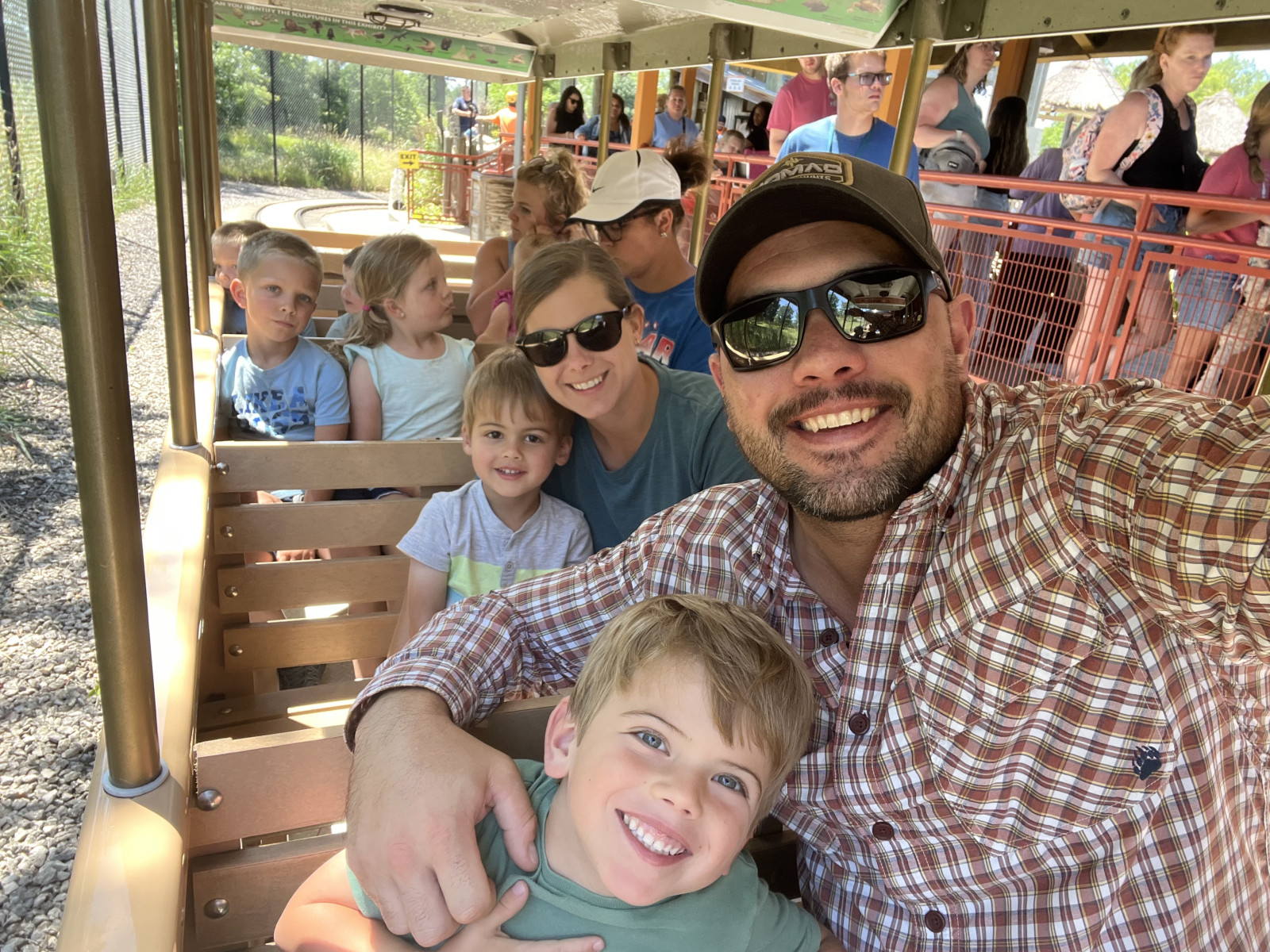
From the outside looking in, everything was going right for Marine 1st Sgt. Mark Koerner.
He’d had an accomplished career in the Marine Corps — he was the most senior member of his unit at Parris Island, South Carolina — and he had a loving wife and two young children.
But not everything was going right.
“A lot of things happened during my 20 years [in the Marines] that led up to me really having a hard time in South Carolina,” he remembers. “My symptoms just kept getting worse and worse, quality of life getting worse, and [I didn’t] understand what was going on with me. From an outsider's perspective, I appeared to be so blessed — and I was, and I still am — but why couldn't I be present in that?”
He remembers feeling distracted, gaining weight, experiencing drinking problems, and generally feeling off. He did what he could to change things — scheduling surgeries he’d once pushed off, seeing behavioral health specialists at the Naval Hospital, quitting drinking. But a bad relapse pushed him over the edge.
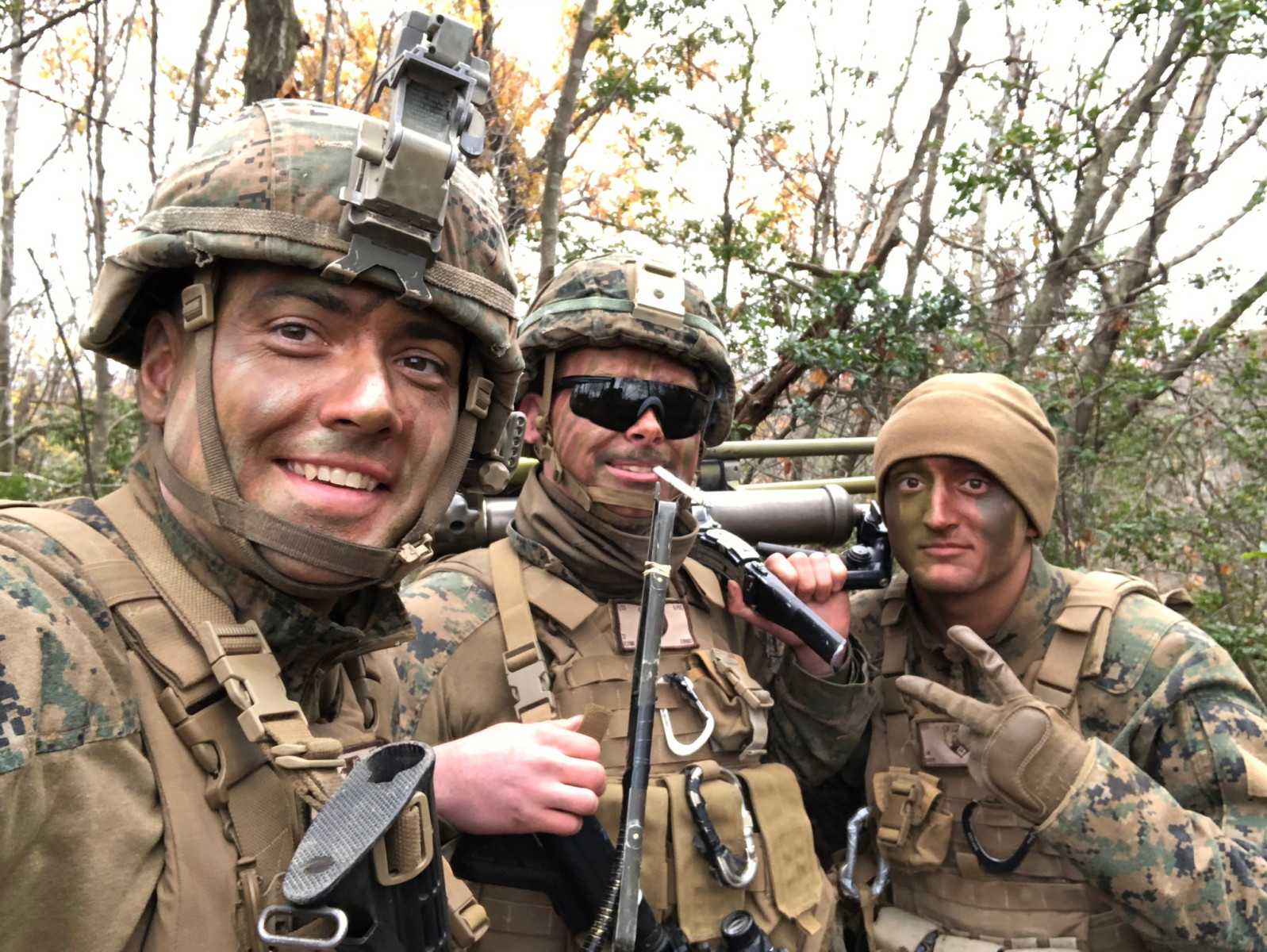 His first stop was Emerald Coast Behavioral Hospital in Florida, where he got help with post-traumatic stress disorder (PTSD) and substance abuse. Things were already looking up when he got back, and then he caught up with a friend who’d recently been to SHARE Military Initiative at Shepherd Center, a comprehensive rehabilitation program for veterans, service members, and first responders with traumatic brain injuries and mental health concerns. Mark applied to the program and was accepted.
“I wasn't sure what to expect when I was going there, all I knew really was what [my friend] had told me about his experience there,” Mark says, “It just seemed like the next logical step for me to continue getting help that I needed before I took that giant leap and hung up the uniform.”
Mark’s time at SHARE was unlike anything he had ever experienced. He was surprised to find that he had a say in his treatment plan, and while some days were difficult, he fully committed to the program. He had made sacrifices to be there — leaving behind his family and his unit — so he gave it his all. It was worth it.
“It just all worked so well together that I honestly felt like I was a new man when I left there,” he says. “I was able to come back and face life, and it's not like any problems disappeared, but my ability to manage them was almost effortless compared to how I felt prior to SHARE.”
He doesn’t point to one specific kind of therapy as the tool that gave him his life back. Instead, it was the combination of everything — memory exercises, recreation therapy outings, Wednesday night cookouts, staying in the apartments with his peers, and the genuine kindness from the program staff.
When he returned to his unit after his time at SHARE, he was transparent with them about where he had been and why.
“It was a little hard to go back after being gone for so long, I'm sure [there were] a lot of rumors, a lot of younger Marines saying, ‘Hey, where did the First Sergeant go?’”
“I told them exactly where I lived, where I was. I didn't expect it to happen, but after I was so transparent with them, I had a lot of Marines wanting to talk to me because they were going through things that were very similar to what I was going through, and I was able to help them through a lot of it and pointed them to resources and just gave them my experience and my advice.” 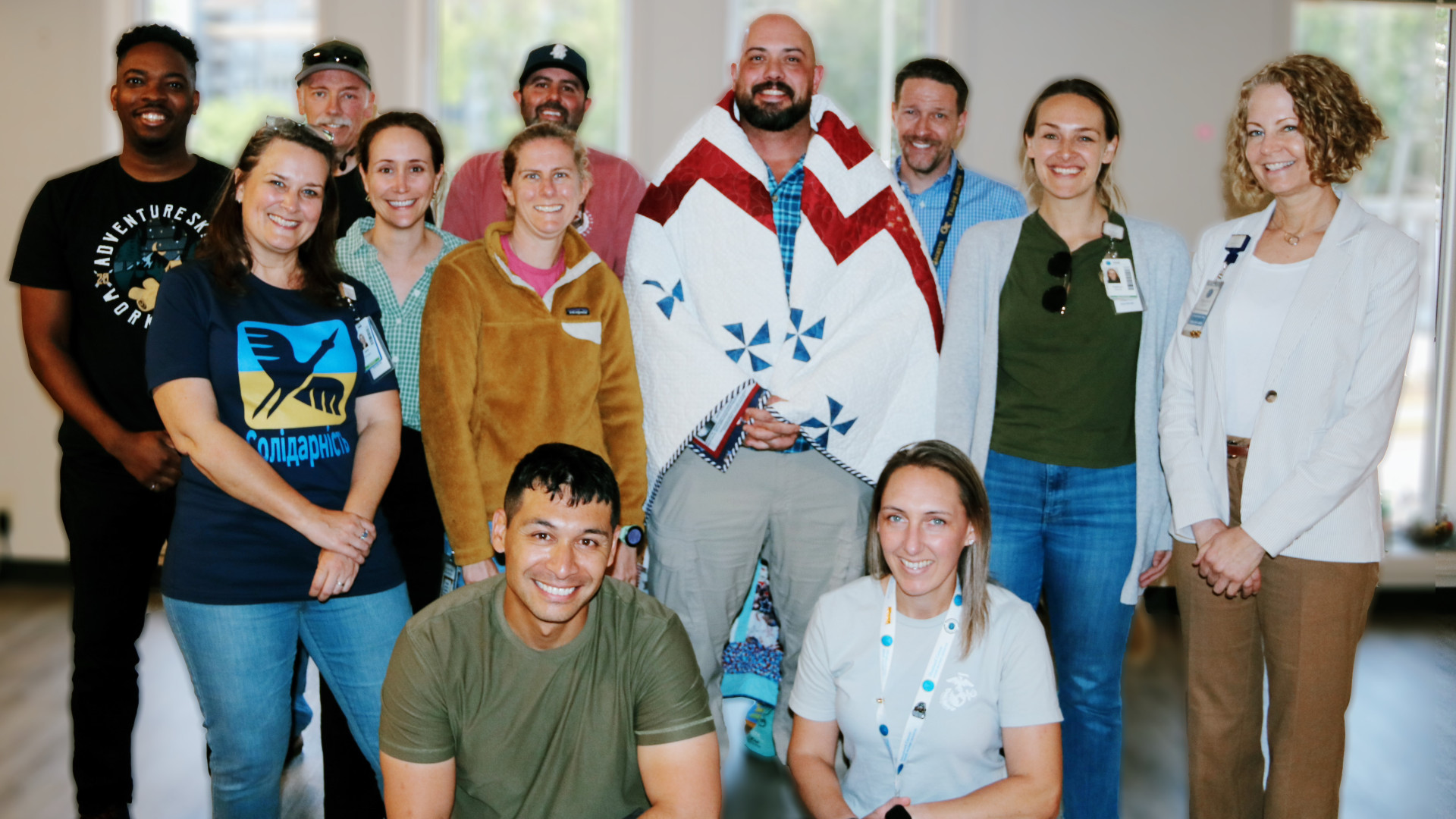
Mark retired from the Marines in 2024, after 20 years of service and seven deployments across the country and the world. He’s now a first-year apprentice in the International Union of Operating Engineers in Ohio, where his family has a home, his wife Abby has a job, and their boys are in school.
“When I'm home, I can be present with the boys. I'm not wrestling with all the distractions, many of them selfmade, that I once was,” he says. “I'm able to wake up every day and be grateful for all the blessings in my life. “There's always problems in life, and nothing ever works out perfectly. I continue to run across them, but it's nothing that's insurmountable, and home life is very much improved.”
Written by Erin Kenney
With five decades of experience, Shepherd Center provides world-class clinical care, research, and family support for people experiencing the most complex conditions, including spinal cord and brain injuries, multi-trauma, traumatic amputations, stroke, multiple sclerosis, and pain. An elite center ranked by U.S. News as one of the nation’s top hospitals for rehabilitation, Shepherd Center is also recognized as both Spinal Cord Injury and Traumatic Brain Injury Model Systems. Shepherd Center treats thousands of patients annually with unmatched expertise and unwavering compassion to help them begin again.