


Reducing Racial Bias in Neuropsychology
Brain Injury Researchers Hope New Study Will Improve Patient Outcomes
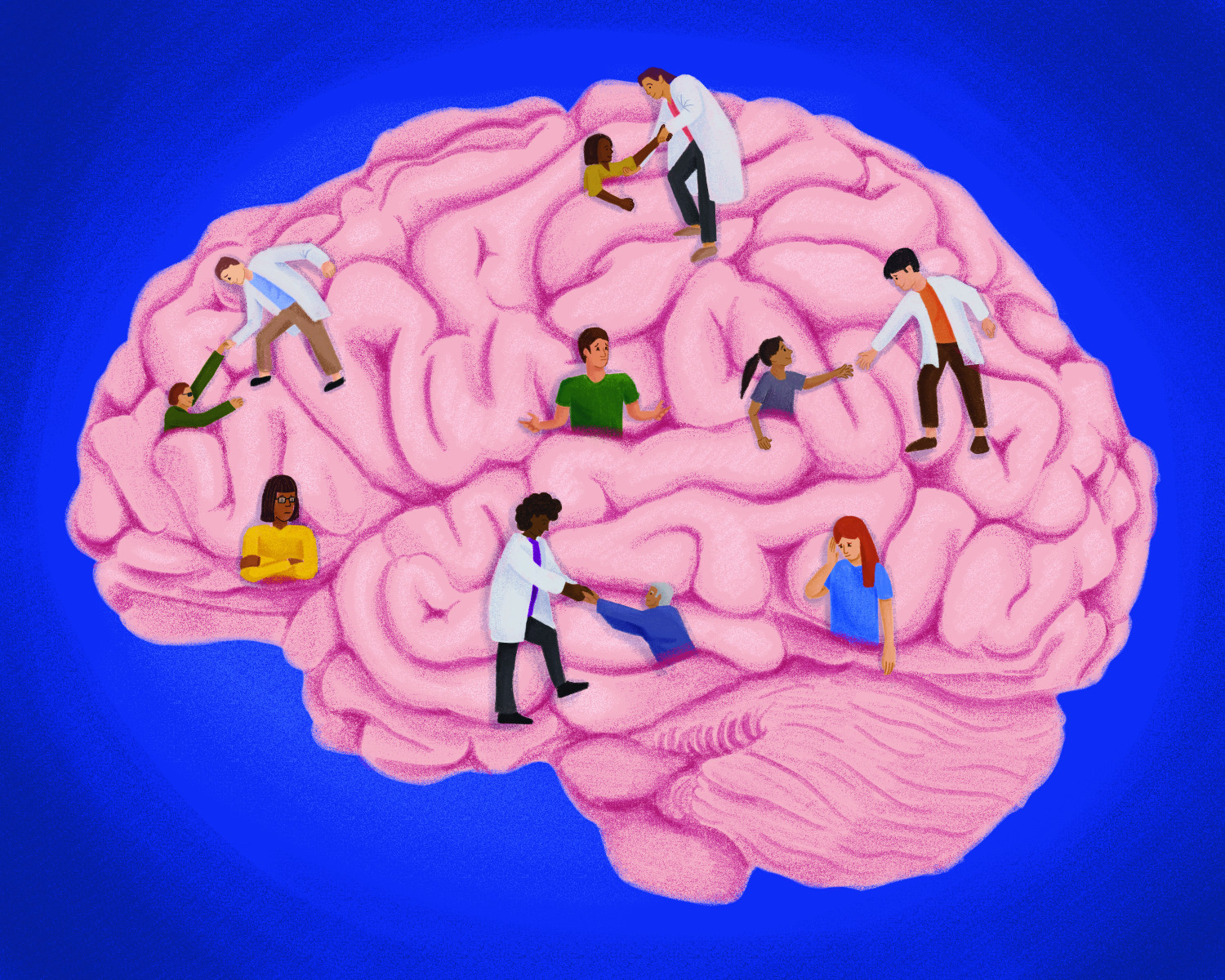
Psychological evaluation plays a crucial role in brain injury recovery. Psychological test results can influence a patient’s treatment plan and impact their long-term well-being, factoring in decisions like whether a patient can return home after injury or if they qualify for disability benefits.
But psychological testing doesn’t always ensure fair and accurate results, especially for racially diverse patients.
“The primary issue is that most psychological tests were developed and normed on Caucasian populations, so they don’t really apply as well to non-Caucasians,” says Brick Johnstone, Ph.D., the O.Wayne Rollins Director of Brain Injury Research at Shepherd Center.
So, Johnstone, along with other researchers, worked on a study to show another way of evaluating patients, without relying on normed data. The study was published in the January 2026 edition of the journal Brain Injury. Working with the study’s lead author, Gary James, Ph.D., Johnstone and other researchers developed a method of evaluating patients’ severity of brain injury based on the individual’s estimated level of function pre-injury (such as their own reading score), rather than comparing results to normed data (i.e., a potentially inappropriate reference group).
Shepherd Pathways rehabilitation counselor Tim Riggins, LCSW, and brain injury research program manager Nicole Thompson, MPH, also worked on the study. Using data from 239 patients with brain injuries at Shepherd, the study examined the team’s method of neuropsychological evaluation. White patients and Black patients differed on some of the absolute scores (e.g.,IQ, memory, attention), but the study shows that when comparing someone’s post-injury function to their pre-injury function, the results were similar across the board (i.e., White and Black individuals had similar rates of mild, moderate, and severe impairment).
“These results further support the fact that people of different racial backgrounds — they all experience brain injury in a similar manner,” Johnstone says. “So, we’re really trying to indicate that there are different ways to look at data, to interpret it, and we think this is the most appropriate way to do it fairly.”
Riggins says that while neuropsychological testing doesn’t stand alone in the rehabilitation process, it can inform the treatment opportunities a patient receives. As a rehabilitation counselor, Riggins supports patients in managing the personal, social, and psychological effects of their brain injury on their goals of returning to employment, school, or independent living.
“When it comes to return to work potential, [patients] go through neuropsych testing to assess their readiness for return to work and potential accommodations that are necessary,” he says. “So, the outcomes of the testing directly influence their goals for their recovery ...[and] if they're not able to return to work, if the report doesn't support disability, it could make it more difficult for them to receive benefits they need to support themselves.”
Riggins says the research results were validating, acknowledging that while racial bias is often present in traditional testing, there are different ways to evaluate patients in order to help them achieve better outcomes. That philosophy — helping patients achieve the best possible recovery — drives much of brain injury research at Shepherd, Johnstone says.
“Our brain injury research is really focused on improving community outcomes. We want to make sure that the services we provide, the research we do, is helping people successfully reintegrate into their community or to get jobs ... we're just trying to help all of our patients from many diverse backgrounds.”
Written by Erin Kenney
Interested in participating in research at Shepherd Center? Find actively recruiting studies here.
With five decades of experience, Shepherd Center provides world-class clinical care, research, and family support for people experiencing the most complex conditions, including spinal cord and brain injuries, multi-trauma, traumatic amputations, stroke, multiple sclerosis, and pain. An elite center ranked by U.S. News as one of the nation’s top hospitals for rehabilitation, Shepherd Center is also recognized as both Spinal Cord Injury and Traumatic Brain Injury Model Systems. Shepherd Center treats thousands of patients annually with unmatched expertise and unwavering compassion to help them begin again.