


Jump Start January: Going for the Goals
Tips from Shepherd Staff on Meeting Goals, Creating Connection, and Finding Joy
For the 79% of Americans who make New Year’s Resolutions, at least one of their goals for the new year focuses on health, exercise, or diet. Even for those who don’t make New Year’s resolutions, the start of a new year is a good time to check in with your health and wellbeing. And Shepherd Center’s expert staff members have you covered.
In this week’s Jump Start January, Takara Harley, Daniel Schaeffer, Deborah Vega, and Dave Wethington share tips for setting and meeting goals — and connecting with people or activities that give you hope.
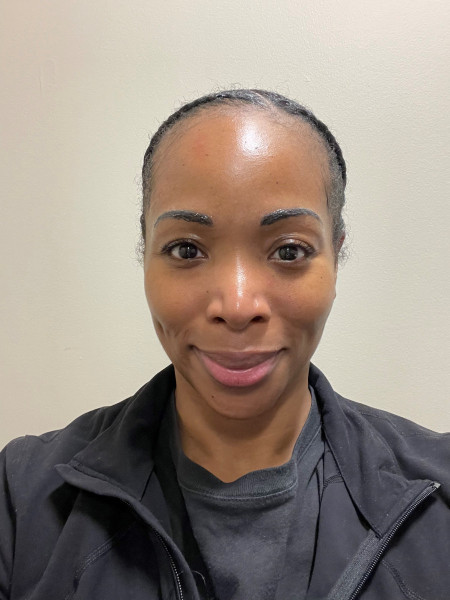
Takara Harley, EP
Shepherd Center Exercise Physiologist, Eula C. and Andrew C. Carlos Multiple Sclerosis Rehabilitation and Wellness Program
- Start small and build momentum. Big resolutions can feel overwhelming. Begin with one small, realistic change (5–10 minutes of movement, one extra glass of water, one intentional pause each day) and build from there.
- Focus on consistency, not perfection. Progress isn’t about doing something every day perfectly — it’s about returning to it even after a missed day. Missing a day doesn’t mean you’ve failed; it means you’re human.
- Choose goals that fit your life, not someone else’s. Sustainable habits are the ones that align with your current energy level, schedule, and abilities — not what social media or others say you “should” be doing.
- Redefine what counts as success. Movement doesn’t have to be intense to be effective. Stretching, seated exercises, short walks, or simply changing positions more often all count and support overall wellness.
- Listen to your body and respect your energy. Some days call for activity, and other days call for rest. Both are productive. Learning when to push gently and when to pause is key to long-term health.
- Pair habits with something you already do. Attaching a new habit to an existing routine (stretching while watching TV, practicing mindful breathing before bed, or taking movement breaks during work hours) makes it easier to stick with.
- Use compassion as a motivator. Self-talk matters. Encouraging, kind inner dialogue will help you stay engaged longer than guilt or pressure ever will.
- Celebrate small wins often. Acknowledging effort — no matter how small — reinforces motivation and builds confidence. Small victories add up over time.
- Plan for flexibility, not rigidity. Life happens. Having backup options (shorter workouts, gentler alternatives, rest days) will help you stay engaged instead of giving up altogether.
- Remember that wellness is more than physical health. Mental, emotional, and social well-being all play a role. Connecting with others, managing stress, and prioritizing rest are just as important as exercise.
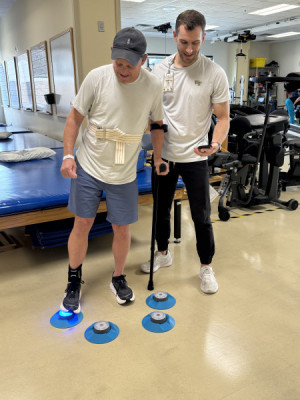
Daniel Schaeffer, PT, DPT
Shepherd Center Therapy Education Coordinator, Spinal Cord Injury Rehabilitation Program
 When you have a lot that you want to achieve, setting goals can feel overwhelming — and not having a realistic plan may lead to failure. The keys to success are accountability and consistency.
Start by focusing on just one or two small, achievable goals over a few weeks. Once you’ve met those, move on to the next progression or add a new goal. Progress on these smaller goals for shorter periods of time builds momentum and will lead to accomplishing the bigger goals you truly care about.
Setting clear, realistic goals keeps you consistent and accountable, which is the foundation for success!
Deborah A. Vega M.S. CCC-SLP, HC, MSLP-C
Shepherd Center Speech-Language Pathologist and Board-Certified Holistic Health Coach 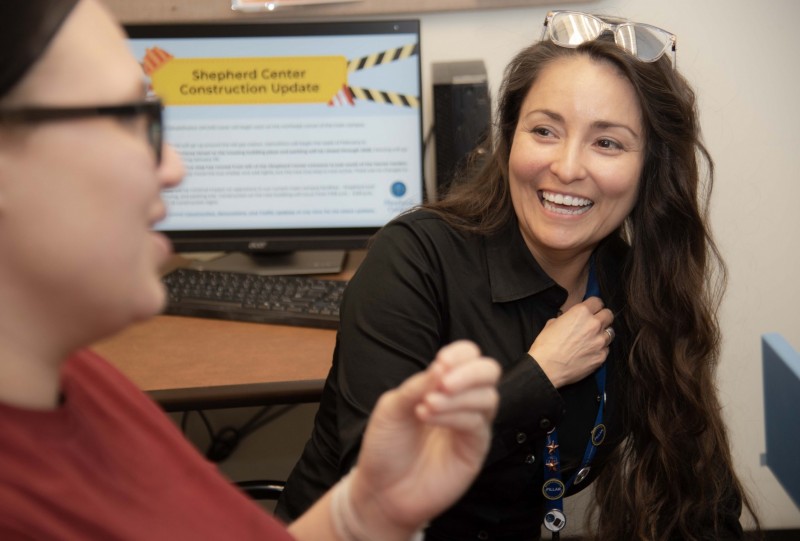
- Build a Healthy Community
Surround yourself with people who uplift and encourage you. Positive social connections reduce stress, improve mental health, and even support cognitive resilience. - Use Your Voice for Good
Speak words that encourage and inspire — positive communication strengthens relationships, uplifts your mood, and supports cognitive health. - Cognitive and Voice Fitness
Just like your body, your brain and voice need exercise! Engage in activities like reading aloud, singing, word games, or learning something new to keep your mind sharp and your voice strong. - Take Care of YOU — Holistically. Wellness isn’t just physical — it’s mental, emotional, spiritual, and social. Prioritize rest, hydration, movement, and positive engagement with others. Practice gratitude and nurture relationships that bring joy, because “a merry heart does good like medicine.” Small, consistent habits create lasting health.
 Dave Wethington, MA, BCC
Shepherd Center Chaplain
At the start of a new year, or after a life-changing event like many of our patients face, people find themselves thinking, “Now what?” It can help to reflect on what brings you joy, really plugging into something that gives you hope. It might be in your church or community of faith where you discover hope that was there all along, or it could be in trying a new sport or rediscovering a hobby that you enjoy. When you find yourself wondering, "Now what?," take time to reconnect with the people and activities that bring you joy.
Advice from staff has been edited for length and clarity.
With five decades of experience, Shepherd Center provides world-class clinical care, research, and family support for people experiencing the most complex conditions, including spinal cord and brain injuries, multi-trauma, traumatic amputations, stroke, multiple sclerosis, and pain. An elite center ranked by U.S. News as one of the nation’s top hospitals for rehabilitation, Shepherd Center is also recognized as both Spinal Cord Injury and Traumatic Brain Injury Model Systems. Shepherd Center treats thousands of patients annually with unmatched expertise and unwavering compassion to help them begin again.