


Ryder Crosby Goes 'All In'
Adrenaline Junkie Ryder Crosby's Journey Back to Sports Post-Spinal Cord Injury
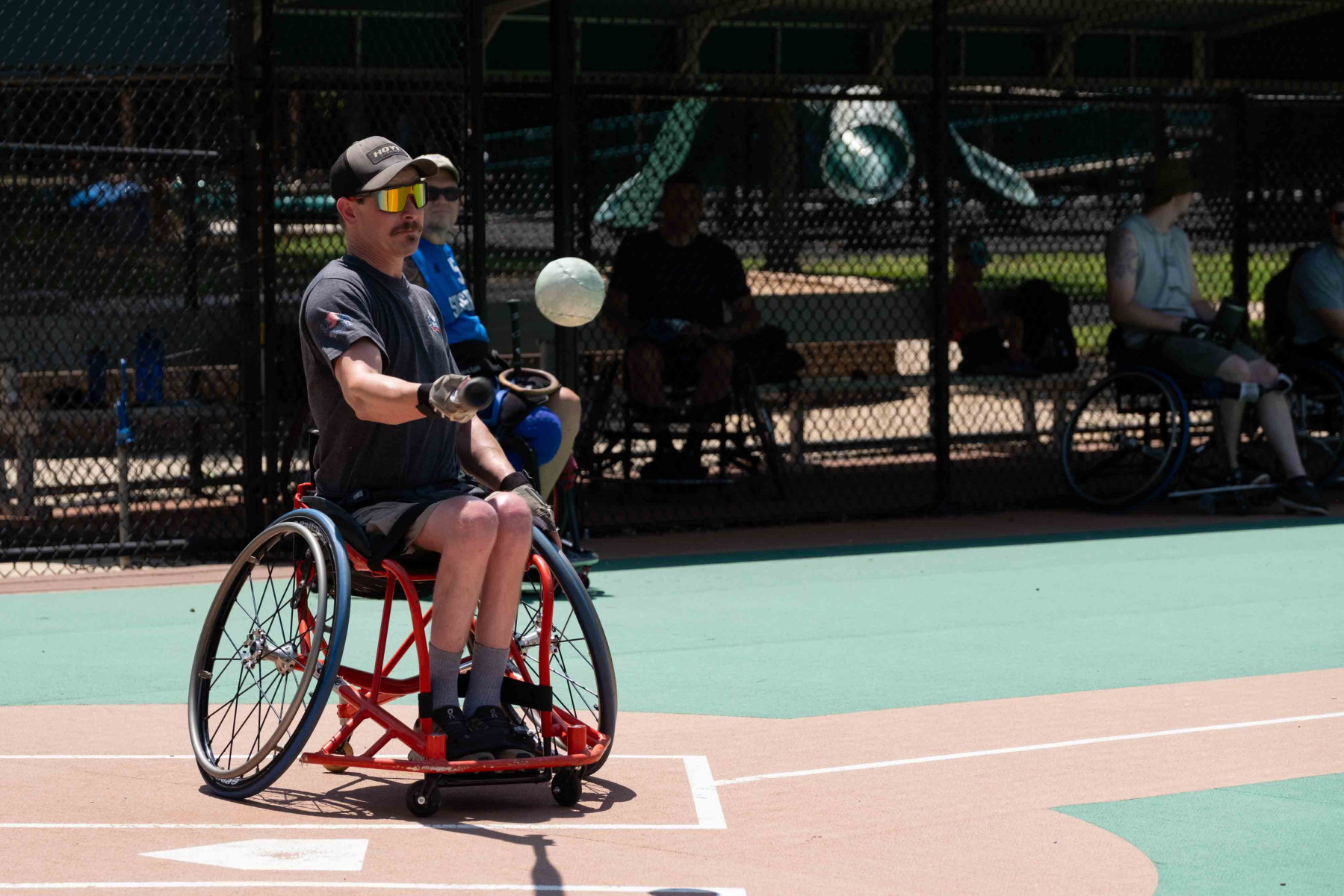
Ryder Crosby is an adrenaline junkie. Full stop. He’ll tell you himself. As will, well, pretty much everyone in his life.
By the time he was 21, Ryder had been racing dirt bikes competitively for 11 years. He skateboarded every day of his life and mountain biked nearly as much. If it sped, roared, or soared, he was on it.
“So,” Ryder shares, “to go from all that to a chair was pretty demoralizing.”
He’s talking about the spinal cord injury he sustained back in 2016, one that resulted in a T-12 complete fracture. And if you’re guessing how it happened based on Ryder’s passions, you’re going to be wrong. Proving that injuries can happen any number of ways, Ryder’s occurred when he fell from a tree. He simply grabbed a dead branch that gave way while he was putting up a rope swing for his younger sister at their family’s home in Athens, Georgia. Ryder’s rehabilitation took him to Shepherd Center for an anticipated nine-week inpatient stint; he went home in three. Ryder attributes his ability to adapt quickly to three things: his athleticism, his positivity and mental strength, and Shepherd Center’s staff.
“A big part of it was that everyone on the rehab team there — occupational therapists, physical therapists, psychologists — helped me get a grip on what I’d have ahead of me, right away. It was straightforward, no sugarcoating, and it really kickstarted my mind into the state I needed to be in. Sports would be possible to do again, and if I just went all in, they’d show me how.”
 All in, indeed. Ryder’s injury happened in April 2016. By the following January, he was on a sit-ski in Alaska, hitting the same slopes that he’d run there on a trip the year before.
Ryder says two things stood out in his recovery at Shepherd Center. First, it was the recreation therapy that allowed him to quickly get active again and reconnect with sports right on Shepherd’s campus. Another big boost for Ryder was the peer support sessions. One of the SCI program alums he met was Jeremy Maddox, a bit of an adrenaline junkie himself. Jeremy sustained a spinal cord injury at 16, rehabbed at Shepherd Center, and found new ways to compete in sports — including as a national, and international, champion in adaptive waterskiing. The two bonded over their love of sports and remain friends to this day. Jeremy also connected Ryder to his first team sport opportunity — joining Shepherd Center’s competitive softball team, the Shepherd Sluggers.
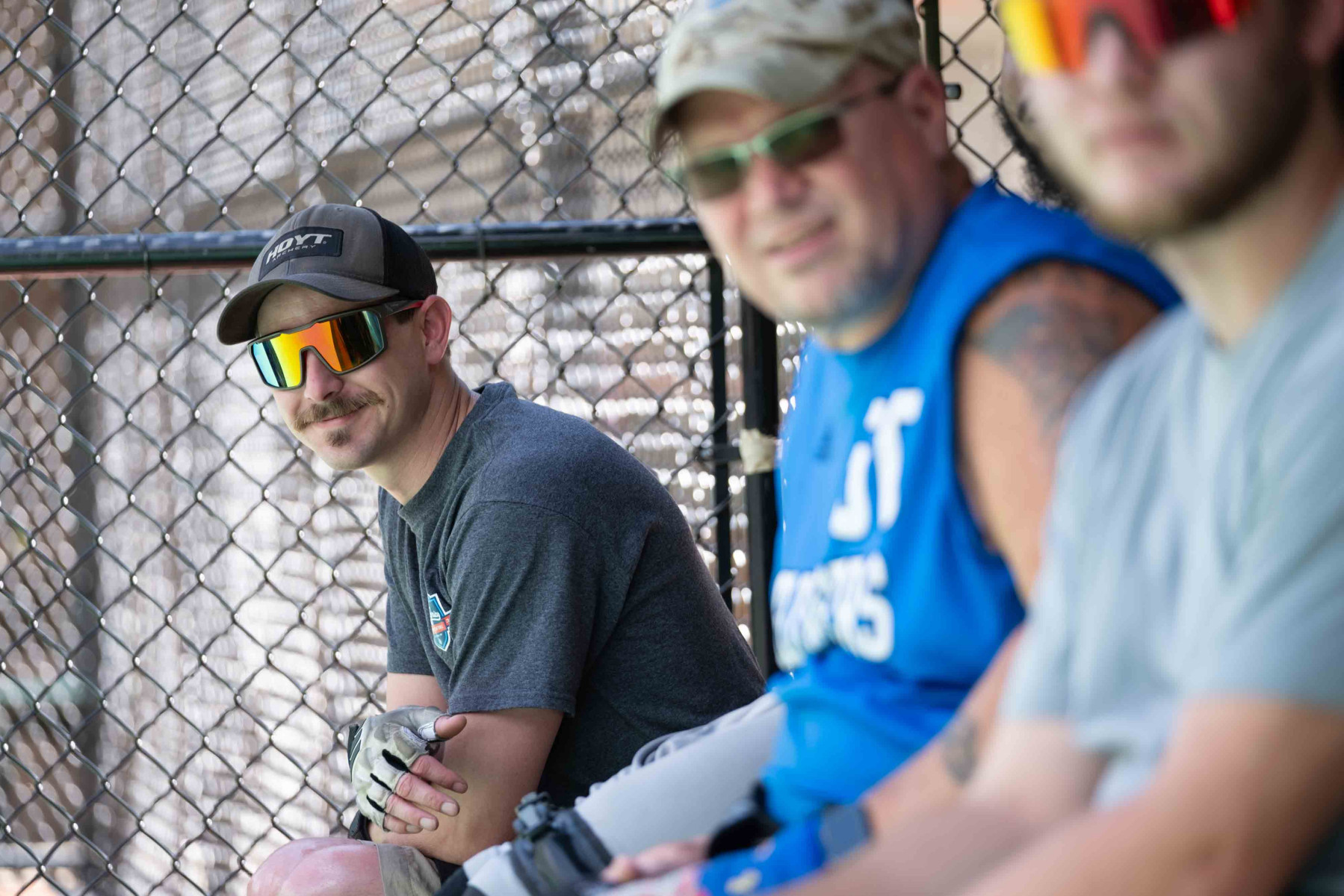
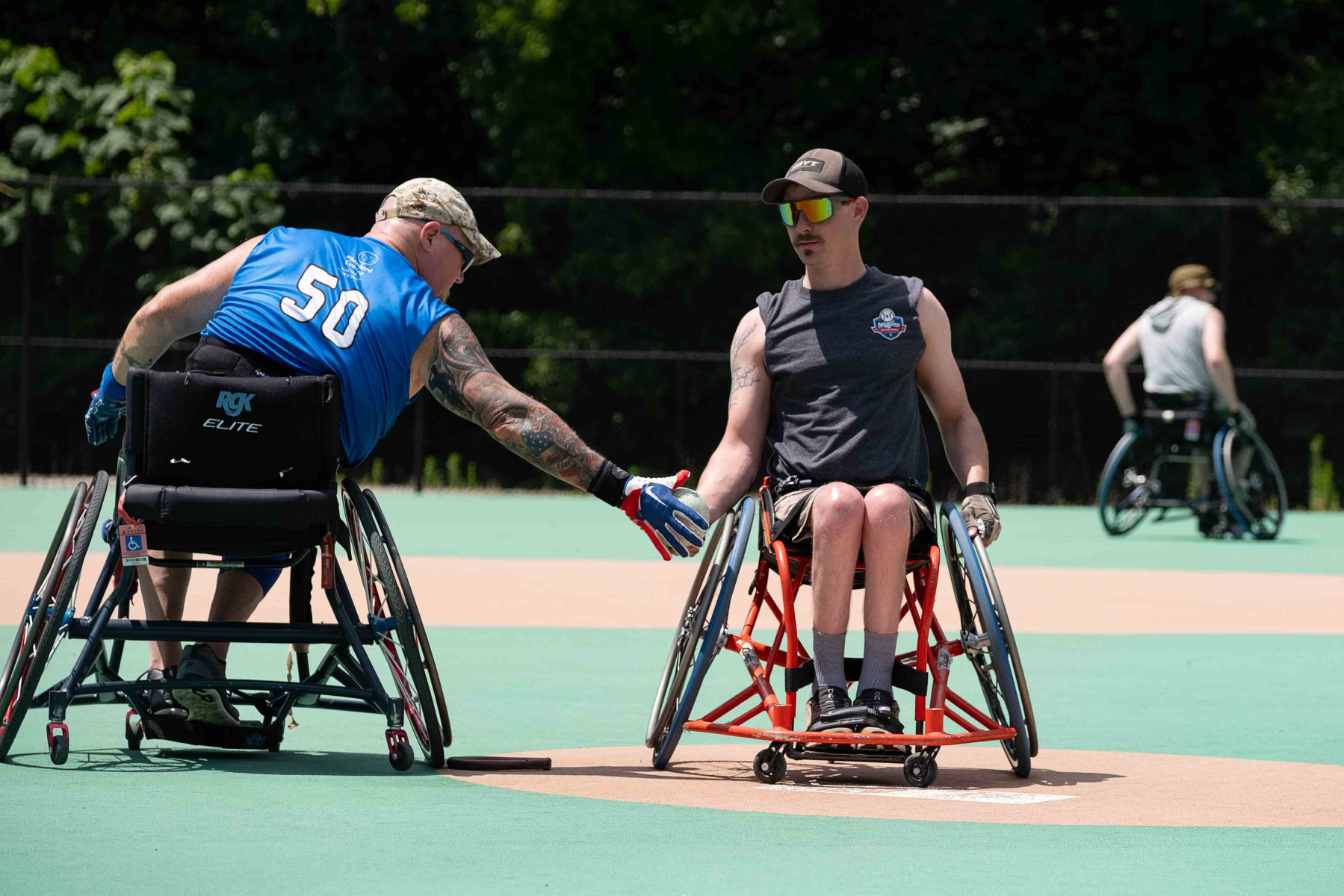
“That’s been huge for me,” Ryder says. “I was always a solo sport guy for the rush of them, but joining the softball team is all about camaraderie. We get to travel, play other teams, and hang out with each other before and after the games. It’s a new avenue for competitiveness and friendship.”
Ryder followed Jeremy’s lead in other ways, too. Within a month of completing his inpatient rehabilitation, Ryder was back as a volunteer in the peer support program. Ryder still volunteers at Shepherd’s adaptive sports expos, often demonstrating how he uses his sit-ski.
 Shepherd Center hosts a wide range of health and wellness clinics through the hospital’s donor-funded Recreation Therapy Program, giving people the opportunity to try everything from adaptive skiing to adaptive hiking, target shooting, wildlife viewing, horticulture, jewelry making, and cycling, to name a few. The clinics are open to former patients and community members alike, taking place in both the metro Atlanta area and around the country. Led by Shepherd Center recreation therapists and subject experts like Ryder, the clinics offer people a chance to try something new while knowing they’re in good hands.
The teaching talent comes naturally to Ryder, as he taught production and robotics for several years at Athens Academy. This year, he’s transitioning to a new opportunity as a full-time film editor. He’s also passing on his love of sport to the next generation. Ryder and his wife Carly have a daughter, Ramsey, who he often takes hunting, fishing, and camping.
“Before my injury, I was always so fast-paced, just go, go, go,” Ryder says. “I still love the thrills, but I can appreciate the slower moments now, too. It’s all fulfilling now."
Written by Phillip Jordan
With five decades of experience, Shepherd Center provides world-class clinical care, research, and family support for people experiencing the most complex conditions, including spinal cord and brain injuries, multi-trauma, traumatic amputations, stroke, multiple sclerosis, and pain. An elite center ranked by U.S. News as one of the nation’s top hospitals for rehabilitation, Shepherd Center is also recognized as both Spinal Cord Injury and Traumatic Brain Injury Model Systems. Shepherd Center treats thousands of patients annually with unmatched expertise and unwavering compassion to help them begin again.